
Inpatient Versus Outpatient Treatment: Which Fits?
When you are struggling, choosing a level of care can feel like one more overwhelming decision on top of everything else. Inpatient versus outpatient treatment is not a question of whether you are “sick enough” or trying hard enough. It is a practical, personal question: What kind of support will help you feel safe, stabilize, and move toward healing right now?
The right answer depends on your symptoms, your environment, your responsibilities, your support system, and your ability to remain safe. Both inpatient and outpatient care can be meaningful parts of recovery. Neither is a measure of your worth, strength, or readiness to heal.
What Is Inpatient Treatment?
Inpatient treatment involves staying overnight at a hospital, residential facility, or specialized treatment center while receiving intensive support. Care is available around the clock, and the daily schedule often includes psychiatric evaluation, medication management, individual counseling, group therapy, skills-building, and support for basic needs.
For some people, especially those in an acute mental health or substance use crisis, the structure of inpatient care creates needed space from immediate stressors. It can reduce access to substances, provide close monitoring during withdrawal, or offer protection when someone is at risk of harming themselves or cannot safely care for themselves.
Inpatient treatment is often brief when it takes place in a hospital, with the primary goal of stabilization. Residential programs may last longer and can offer more time for therapeutic work, depending on the program and a person’s needs.
When inpatient care may be appropriate
Inpatient treatment may be worth considering when emotional distress has become unsafe or unmanageable outside of a highly structured setting. This could include active thoughts of suicide with intent or a plan, psychosis, severe mania, dangerous substance withdrawal, repeated overdose risk, or an inability to meet basic needs such as eating, sleeping, or caring for yourself.
It may also be appropriate when outpatient care has not been enough to create stability, or when your home environment is actively unsafe. For example, someone living with ongoing violence, severe relational conflict, or constant access to substances may need more distance and support before they can focus on recovery.
If you are in immediate danger, having thoughts of harming yourself or someone else, or experiencing a medical emergency, call 911, go to the nearest emergency room, or call or text 988 for the Suicide & Crisis Lifeline in the United States.
What Is Outpatient Treatment?
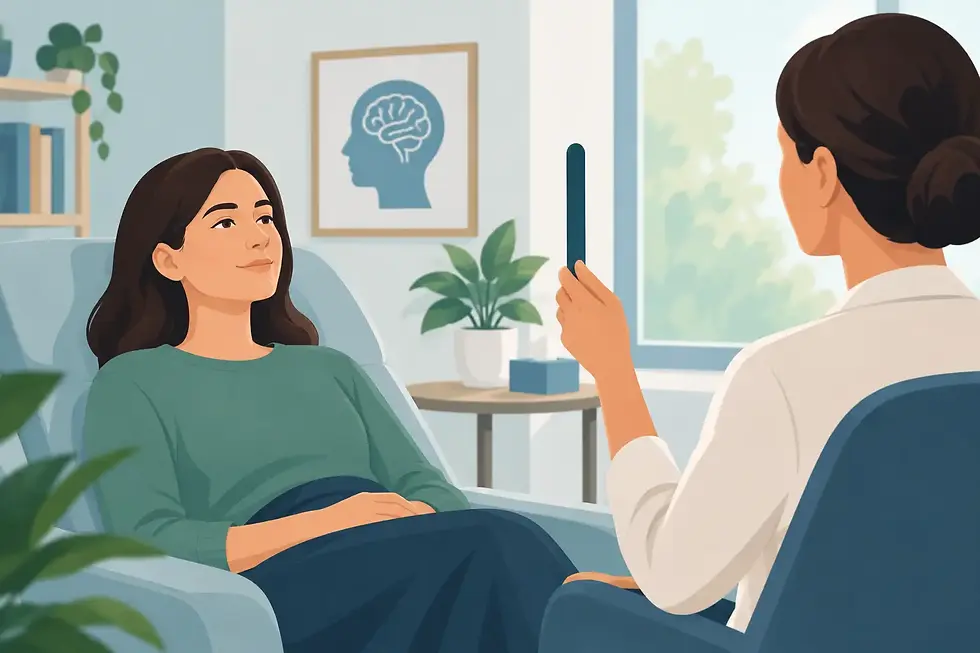
Outpatient treatment allows you to receive mental health or substance use support while continuing to live at home. It may include weekly psychotherapy, psychiatric care, group therapy, medication management, recovery support, or more structured programs that meet several days per week.
Outpatient care exists on a wide spectrum. Traditional individual therapy may involve one session per week. Intensive outpatient programs, often called IOPs, provide several hours of treatment on multiple days each week. Partial hospitalization programs, or PHPs, offer an even higher level of daytime support while still allowing participants to return home at night.
For many people, outpatient therapy is a sustainable place to do meaningful, long-term healing work. It can support recovery from trauma, anxiety, depression, postpartum distress, ADHD-related overwhelm, life transitions, and substance use concerns without requiring someone to leave work, school, parenting responsibilities, or their community.
When outpatient care may be a good fit
Outpatient treatment may be appropriate if you are able to stay safe between sessions, manage daily responsibilities with support, and engage consistently in care. It can be especially helpful for people who want to understand the patterns beneath their symptoms, build coping skills, process trauma at a manageable pace, and practice new ways of relating to themselves in everyday life.
A trauma-informed outpatient therapist does not expect you to recount every painful experience before you have enough safety and grounding. Healing can begin with stabilization: learning how your nervous system responds to stress, strengthening boundaries, improving sleep, reducing shame, and reconnecting with parts of yourself that may have gone quiet in survival mode.
Outpatient care can also be an essential step after inpatient treatment. Leaving a hospital or residential program can bring relief, but it can also feel vulnerable. Ongoing therapy, medication follow-up, peer support, and a thoughtful safety plan can help turn short-term stabilization into continued care.
Inpatient Versus Outpatient Treatment: Key Differences
The central difference is intensity and setting. Inpatient treatment provides 24-hour supervision and removes many outside demands temporarily. Outpatient treatment provides care within the context of your regular life, allowing you to practice skills where you will actually use them.
Inpatient care can offer immediate containment. If you are in crisis, the relief of having professionals nearby, meals provided, medications monitored, and a predictable schedule may be deeply necessary. The trade-off is that it can be disruptive. You may need time away from work, family, caregiving, or school, and the transition back home may require careful planning.
Outpatient treatment is usually more flexible and can be easier to sustain over time. It also requires enough stability to attend appointments, use coping tools outside the therapy room, and seek help when symptoms intensify. If home is unsafe or symptoms are escalating quickly, a standard weekly session may not provide enough support on its own.
Cost and insurance coverage can influence the decision, too. Inpatient and residential programs are typically more expensive than outpatient services, although coverage varies widely by plan and clinical need. A provider, hospital intake team, or insurance representative can help clarify available options, but financial concerns should not prevent you from seeking an assessment when safety is at stake.
How to Decide What Level of Care You Need
You do not have to make this decision alone. A licensed mental health professional, primary care provider, psychiatrist, or substance use counselor can assess your symptoms and help recommend an appropriate level of care.
A useful question is not simply, “Can I get through the day?” Many people survive while carrying far more pain than anyone can see. Instead, ask: “Can I reliably keep myself safe?” “Do I have support when my symptoms worsen?” “Can I use coping strategies outside of sessions?” “Is my current environment helping or harming my recovery?”
Be honest about what is happening, even if it feels uncomfortable. Share changes in sleep, appetite, substance use, intrusive thoughts, panic, self-harm urges, dissociation, or your ability to care for children and meet basic responsibilities. Honest information helps clinicians recommend care that fits the reality of your life, not the version you feel pressured to present.
For people navigating pregnancy or the postpartum period, rapid mood shifts, severe anxiety, frightening thoughts, or difficulty sleeping can require prompt evaluation. Postpartum mental health concerns are treatable, and seeking a higher level of support is an act of protection for both you and your family.
Healing Is Not One Straight Path
Some people begin in outpatient therapy and never need a higher level of care. Others need hospitalization during a crisis, then continue healing through outpatient therapy for months or years. Still others move between levels of care as symptoms, safety, and life circumstances change.
Needing more support does not mean you have failed. Choosing a less intensive option does not mean your pain is not real. Care should meet you where you are, with respect for your history, identity, responsibilities, and capacity.
The most helpful treatment setting is the one that gives you enough safety to begin trusting yourself again. Whether that support is available around the clock or one steady session at a time, healing starts with the belief that you deserve care that is compassionate, skilled, and responsive to what you need now.


Comments