Overcoming Substance Use: A Path to Recovery
Substance use can feel like an insurmountable challenge, but recovery is possible. Many individuals have walked this path, transforming their lives and finding hope. This blog post will explore the journey of overcoming substance use, providing insights, practical steps, and encouragement for those seeking a healthier, substance-free life.

Understanding Substance Use
Substance use refers to the consumption of drugs or alcohol in a manner that can lead to addiction or negative consequences. It can affect anyone, regardless of age, background, or circumstances. Understanding the nature of substance use is the first step toward recovery.
The Impact of Substance Use
Substance use can have profound effects on various aspects of life, including:
Physical Health: Chronic use can lead to serious health issues, including liver disease, heart problems, and respiratory issues.
Mental Health: Many individuals experience anxiety, depression, or other mental health disorders as a result of substance use.
Relationships: Substance use can strain relationships with family, friends, and colleagues, leading to isolation and loneliness.
Financial Stability: The cost of maintaining a substance use habit can lead to financial difficulties, affecting overall stability.
Recognizing the Signs of Substance Use
Identifying substance use is crucial for early intervention. Some common signs include:
Changes in behavior or mood
Neglecting responsibilities
Withdrawal from social activities
Physical symptoms such as weight loss or poor hygiene
If you or someone you know exhibits these signs, it may be time to seek help.
The Journey to Recovery
Recovery is a personal journey that varies for each individual. While the path may be challenging, it is also filled with opportunities for growth and healing. Here are some key steps to consider:
Seeking Professional Help
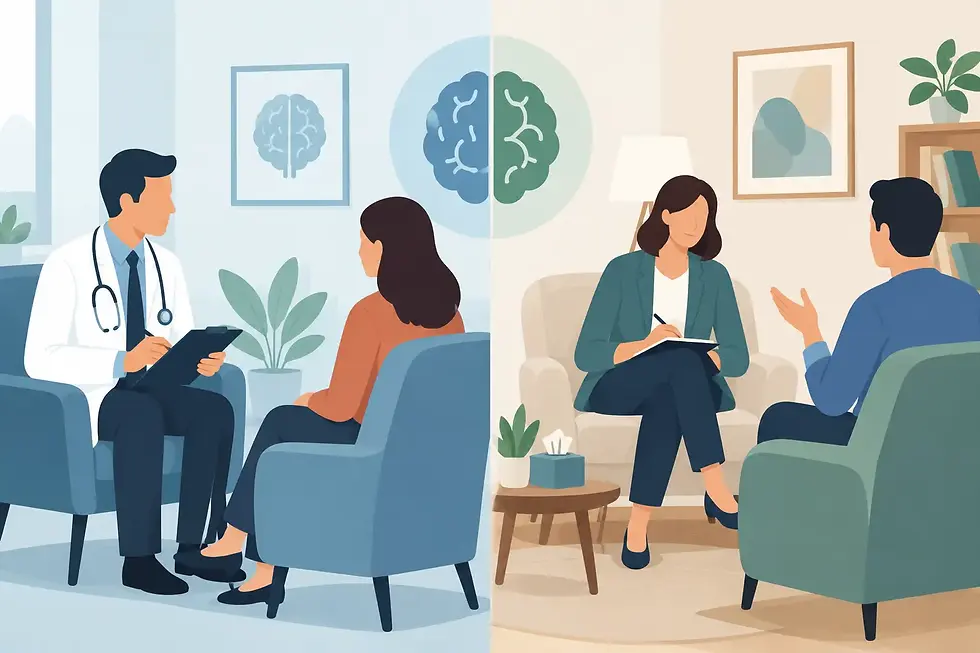
One of the most important steps in overcoming substance use is to seek professional help. This can include:
Therapy: Individual or group therapy can provide support and coping strategies.
Rehabilitation Programs: Inpatient or outpatient programs offer structured environments for recovery.
Support Groups: Organizations like Alcoholics Anonymous (AA) or Narcotics Anonymous (NA) provide community support.
Building a Support Network
Surrounding yourself with supportive individuals is vital for recovery. This can include:
Family and Friends: Open communication with loved ones can foster understanding and support.
Support Groups: Connecting with others who have similar experiences can provide encouragement and accountability.
Developing Healthy Coping Mechanisms
Finding alternative ways to cope with stress and triggers is essential. Consider:
Exercise: Physical activity can improve mood and reduce cravings.
Mindfulness and Meditation: These practices can help manage stress and promote emotional well-being.
Hobbies: Engaging in activities you enjoy can provide a positive outlet for emotions.
Overcoming Challenges in Recovery
The road to recovery is not always smooth. Individuals may face various challenges, including cravings, triggers, and setbacks. Here are some strategies to navigate these obstacles:
Managing Cravings
Cravings can be intense, but they are a normal part of recovery. Strategies to manage cravings include:
Distraction: Engage in activities that keep your mind occupied.
Breathing Exercises: Deep breathing can help reduce anxiety and cravings.
Avoiding Triggers: Identify and avoid situations or environments that may trigger cravings.
Dealing with Setbacks
Setbacks can happen, but they do not mean failure. If you experience a setback:
Reflect: Consider what led to the setback and how to address it in the future.
Reach Out: Contact your support network for encouragement and guidance.
Recommit: Remind yourself of your goals and the reasons for your recovery journey.
Celebrating Milestones
Recognizing and celebrating milestones in your recovery can boost motivation. Consider:
Setting Goals: Establish short-term and long-term goals for your recovery.
Rewarding Yourself: Treat yourself to something special when you reach a milestone.
The Role of Lifestyle Changes
Making positive lifestyle changes can significantly impact your recovery journey. Here are some areas to focus on:
Nutrition
A balanced diet can improve physical and mental health. Consider:
Eating Whole Foods: Incorporate fruits, vegetables, whole grains, and lean proteins into your diet.
Staying Hydrated: Drink plenty of water to support overall health.
Exercise
Regular physical activity can enhance mood and reduce stress. Aim for:
30 Minutes of Activity: Engage in activities you enjoy, such as walking, swimming, or dancing.
Strength Training: Incorporate strength training exercises to build muscle and improve overall fitness.
Sleep Hygiene
Quality sleep is essential for recovery. To improve sleep:
Establish a Routine: Go to bed and wake up at the same time each day.
Create a Relaxing Environment: Make your bedroom conducive to sleep by reducing noise and light.
Finding Purpose in Recovery
Recovery is not just about abstaining from substances; it is also about finding purpose and fulfillment in life. Consider:
Setting New Goals
Identify new aspirations and goals that inspire you. This could include:
Career Aspirations: Pursue education or training in a field you are passionate about.
Personal Growth: Engage in activities that promote self-discovery and personal development.
Volunteering
Giving back to the community can provide a sense of purpose. Look for opportunities to volunteer in areas that resonate with you.
Building New Relationships
Forming new, healthy relationships can enrich your life. Seek out individuals who share your values and interests.
Conclusion
Overcoming substance use is a challenging yet rewarding journey. By seeking help, building a support network, and making positive lifestyle changes, individuals can reclaim their lives and find joy in sobriety. Remember, recovery is a personal journey, and it is never too late to start. Take the first step today and embrace the possibilities that lie ahead.
Your path to recovery begins now. Reach out for support, set your goals, and take charge of your life. You are not alone on this journey.


Comments